
Frozen Fiascos: What to Watch For With Your Pets in Brutal Cold Weather
From ice-ball paws to antifreeze to frostbite — a light-hearted (but real) guide to keeping pets safe when temps plummet.
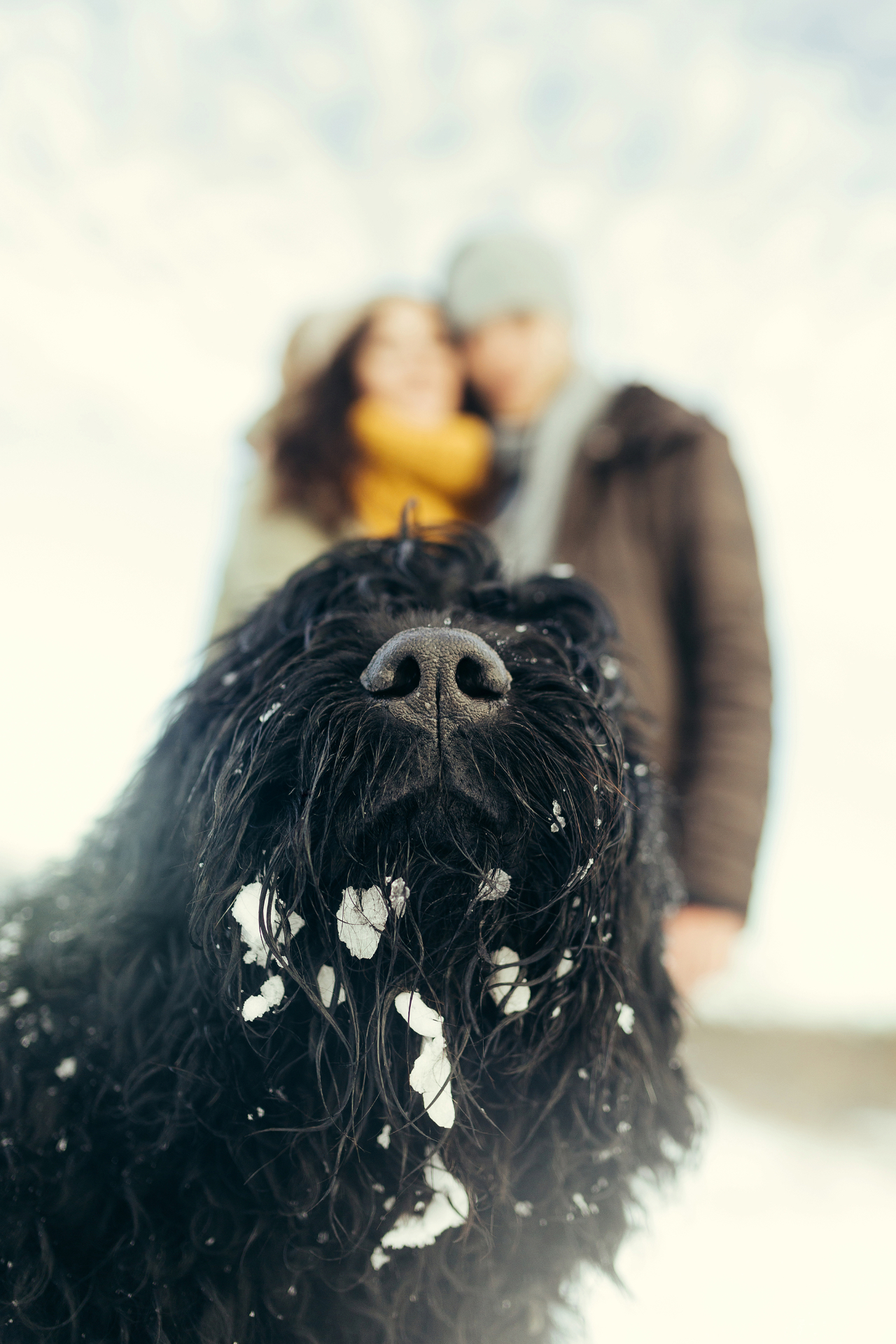
Ah, winter—the season of hot cocoa, cozy blankets, and... your dog turning into a popsicle because they refused to come inside. If you're a pet parent, you know that really cold weather can turn your furry friends from joyful zoomers into shivering messes faster than you can say "Where's the thermostat?" But fear not! This guide is here to help you spot the sneaky dangers of extreme cold, all while keeping things light-hearted. Because let's face it: pets in winter gear are basically comedy gold. Think about it—dogs prancing in booties like they're on a fashion runway (until they high-step like a confused horse), or cats glaring at snow like it personally offended them. We've all seen those viral videos. But behind the laughs, there are real risks like hypothermia, frostbite, and toxic surprises lurking in the white stuff. Let's break it down with some humor, solid tips from vets (shoutout to ASPCA and AVMA), and zero judgment if your pup has already eaten half a snowbank.
1. The Great Outdoors? More Like the Great Indoors Mandate
If it's too cold for you to stand outside without whining, it's definitely too cold for Fluffy or Fido. Cats and dogs should stay inside during freezing temps—period. Outdoor cats might think they're tough, but no, Mr. Whiskers, you're not a Siberian tiger.
Short-haired breeds, puppies, seniors, and pets with health issues (like arthritis or heart problems) chill faster than a forgotten ice cream cone. Even thick-coated breeds like Huskies have limits—no pet should be left outside for long in below-freezing weather. Quick potty breaks only, folks!
2. Paw Problems: The Ice Ball Tango and Salt Shenanigans
Dogs' paws take a beating in winter. Snow packs into annoying ice balls between toes (picture your dog doing the "hot coal dance" on the way home), and road salt or de-icers can irritate or even poison if licked off.
Wipe paws, legs, and belly after walks to remove chemicals. Better yet, slap on some booties (yes, your dog will look ridiculous and walk like a robot at first—hilarious footage guaranteed) or rub petroleum jelly on pads for protection. And skip the frequent baths; they strip natural oils and lead to dry, itchy skin.
3. Hypothermia and Frostbite: The Silent Freezers
These are the big bad wolves of winter pet woes. Hypothermia hits when body temp drops too low—signs include shivering, lethargy, or weakness. Frostbite? Pale, cold skin on ears, tail, or paws that might swell later.
If you spot these, wrap your pet in warm (not hot) blankets and head to the vet ASAP. No rubbing frostbitten areas—that's a myth that makes it worse!
4. Antifreeze: The Sweet but Deadly Trap
This stuff tastes like candy to pets but is lethal. Even a tiny lick can cause kidney failure. Clean up spills immediately, and use pet-safe versions if possible. Same goes for rock salt—toxic if ingested.
5. Extra Calories, Cozy Spots, and Car Cat-astrophes
Pets burn more energy staying warm, so a bit more food might be needed (consult your vet—no turning Fido into a chubby snowball). Provide warm beds off the floor, away from drafts.
And always bang on your car hood before starting—outdoor cats love snuggling near warm engines for a nap.
The Bottom Line
Winter with pets doesn't have to be a disaster. Dress them up (for warmth and laughs), keep outings short, and watch for trouble signs. Your furball will thank you with extra cuddles—and maybe fewer judgmental stares from the cat.
Stay warm out there, pet parents. And remember: if your dog refuses booties, just film it. The internet needs more comedy!
Frequently asked questions
How cold is too cold for a dog to be outside?
Below 32°F is risky for small, short-haired, senior, or sick dogs. Below 20°F, even cold-tolerant breeds should only be out for short bathroom breaks.
Are dog booties really necessary in winter?
Yes — they protect paws from ice balls, road salt, and chemical de-icers. Even if your dog looks ridiculous adjusting to them at first, they'll thank you on long walks.
Should I still groom my dog in winter?
Absolutely. A clean, well-maintained coat insulates better than a dirty, matted one. Mobile grooming is a great option in winter because there's no cold car ride or salon wait.
Ready to book your pup?
Stress-free mobile grooming, right in your driveway across St. Louis.
Book a groom