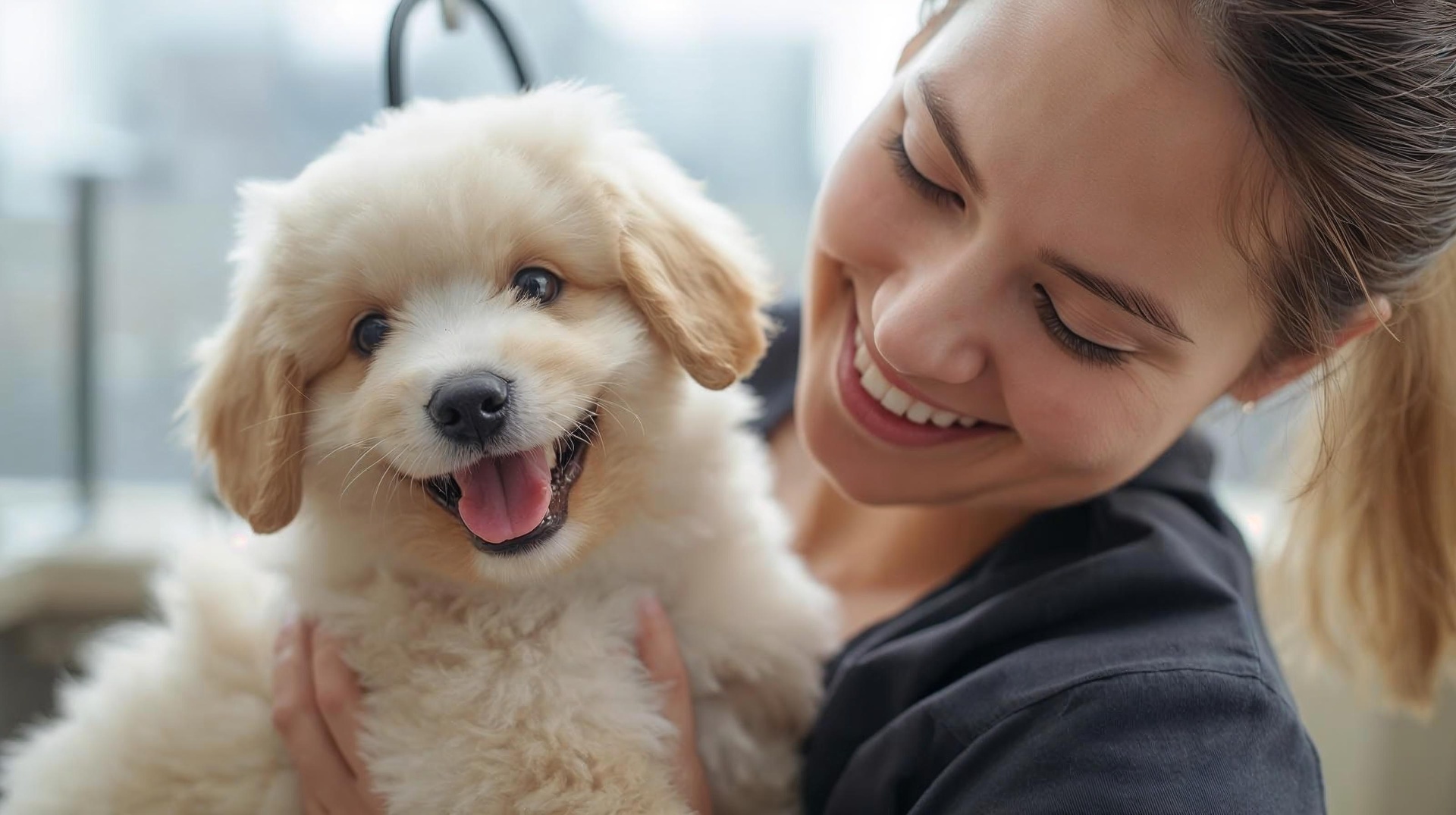
Why Your Dog's Grooming Schedule Isn't Just "Fluff" (Literally)
Whether your dog's coat is short or long, regular grooming is essential care — not a luxury.
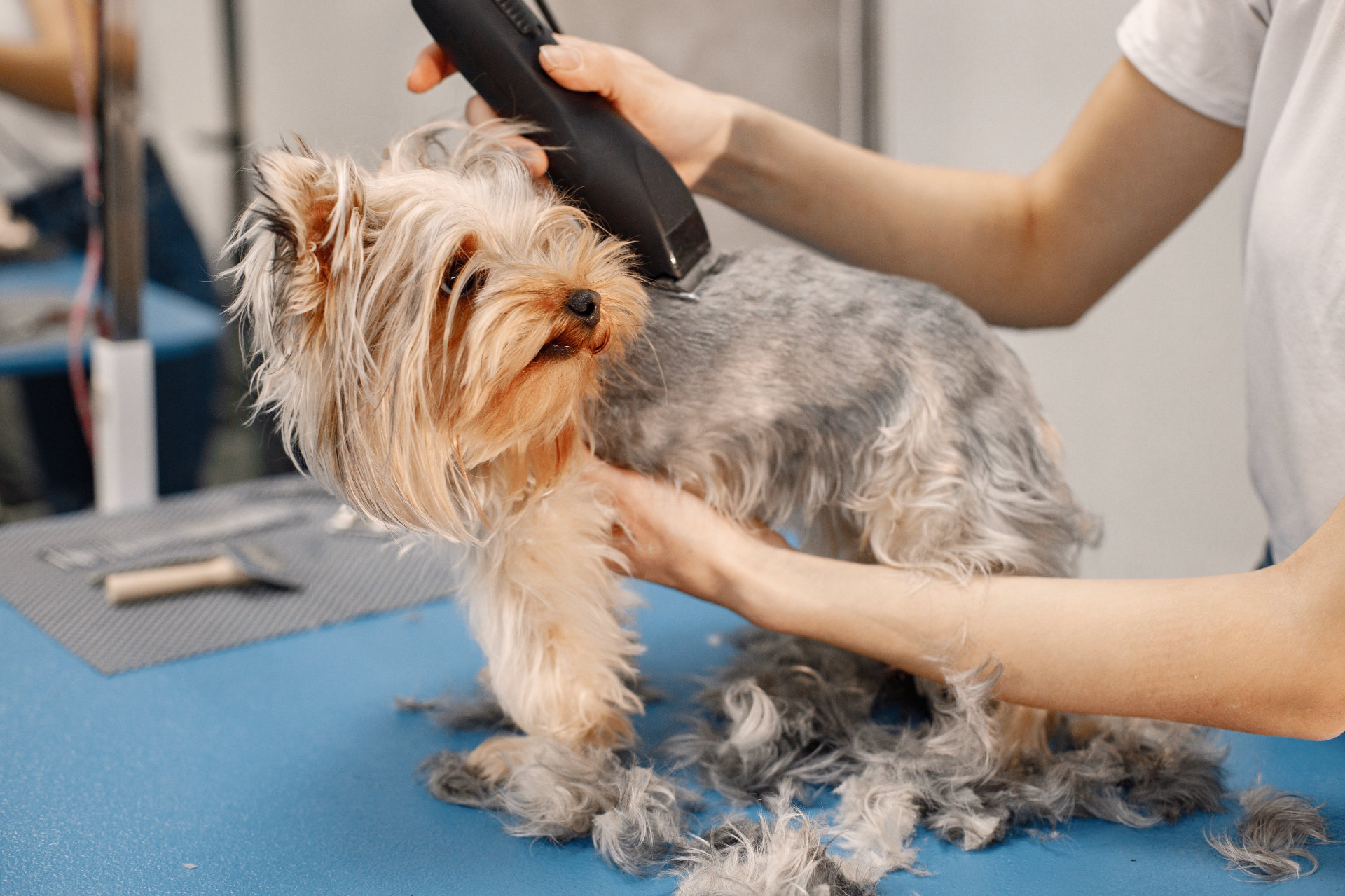
We get it. Life gets busy. Between work, errands, and keeping your house from looking like a scene from a dog-hair horror film, scheduling your pup's grooming might not be at the top of your list. But whether your dog is rocking a Rapunzel-length coat or keeping it short and sleek, regular grooming is more than just a spa day - it's essential care. Think of it like brushing your teeth. Skip it for too long and… well, you could still smile, but no one would want to be downwind.
Why a Grooming Schedule Matters (Even for Short-Haired Dogs)
1. Prevents "Dread-locks" You Didn't Sign Up For — Long-haired breeds like Goldendoodles, Shih Tzus, and Collies can get mats faster than you can say "Where's my brush?" And mats aren't just ugly - they're painful, pulling on the skin and sometimes hiding sores.
2. Short Hair Doesn't Mean No Hair — Short-haired pups like Beagles, Labs, or Pugs might not tangle, but they still shed... a lot. Regular brushing removes loose hair before it becomes your new living room carpet.
3. Skin & Coat Health — Brushing spreads natural oils, keeping skin healthy and coats shiny. It's basically your dog's version of a moisturizing face mask, minus the cucumber slices.
4. Spotting Problems Early — When you groom regularly, you'll notice little changes - lumps, bumps, fleas, or anything suspicious - before they become bigger issues.
How Often Should You Groom?
Long-haired breeds: Every 4–6 weeks professionally, with at-home brushing at least 3–4 times a week.
Short-haired breeds: Every 6–8 weeks professionally, with at-home brushing once a week (more during shedding season).
Double-coated breeds: Regular brushing all year, and extra during spring/fall when they "blow" their coat.
Remember: A "maintenance schedule" isn't just for looks - it saves you time, money, and a lot of wrestling matches with a hairbrush later.
Tools You Can Use at Home
You don't need a whole groomer's van in your living room - just a few basics:
Slicker Brush – Great for long-haired or curly-coated dogs. Think of it as your detangling miracle worker.
Deshedding Tool – Perfect for Labs, Shepherds, and other heavy shedders.
Comb – Gets down to the skin and finds hidden tangles (especially behind ears and under legs).
Dog-Friendly Shampoo – Gentle, pH-balanced, and not the same stuff you use on your own hair.
Nail Clippers or Grinder – Overgrown nails can cause joint pain over time.
Pro tip: Treats + praise + brushing in short sessions = a dog who actually tolerates grooming.
The Bottom Line
Whether your dog is a shaggy sheepdog or a sleek Doberman, regular grooming is part of keeping them happy, healthy, and comfortable. Plus, let's be honest - a freshly groomed dog just smells better, feels better, and looks like they're ready for the cover of Pup Vogue.
So set that calendar reminder, keep the right tools at home, and think of grooming not as a chore... but as extra bonding time (and a chance to see your floor without a layer of fur).
Frequently asked questions
Do short-haired dogs really need professional grooming?
Yes. They still shed heavily and benefit from baths, ear cleaning, nail care, and skin checks — even if they don't need haircuts.
What happens if I skip grooming for a few months?
Depending on coat type: mats, hot spots, overgrown nails, ear infections, and an extra-furry house. None of those are emergencies, but they're avoidable.
Can I do all my dog's grooming at home?
Brushing and basic baths, sure. Nail trimming, ear cleaning, full haircuts, and coat-appropriate finishing are best left to a pro on a regular cadence.
Ready to book your pup?
Stress-free mobile grooming, right in your driveway across St. Louis.
Book a groom